
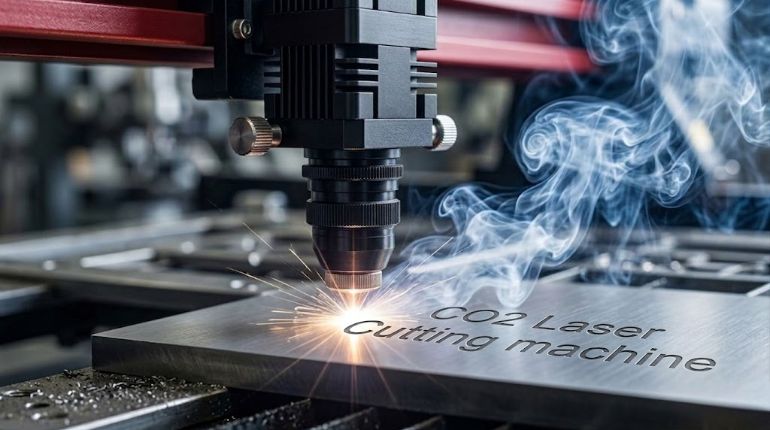
CO2 Laser Cutting by Success Technologies offers high-precision cutting and engraving solutions for modern industries. Engineered to handle materials such as wood, acrylic, plastics, leather, and more, these machines deliver clean edges and detailed finishes. With advanced control systems and efficient performance, they ensure consistent results, increased productivity, and reduced waste, making them ideal for diverse manufacturing applications.
What is CO2 Laser Cutting?
CO2 Laser Cutting is a technology that uses a high-powered laser beam generated from carbon dioxide gas to cut, engrave, or shape materials with high precision. The laser produces an intense, focused beam of infrared light that melts, burns, or vaporizes the material along a defined path, resulting in clean and accurate cuts. It is widely used for materials like wood, acrylic, plastics, leather, fabric, glass, and some non-metallic surfaces. CO2 Laser Cutting is popular in industries such as signage, packaging, textiles, and manufacturing because it offers excellent detail, smooth edges, minimal material waste, and high-speed processing without direct contact with the material.
What is CO2 Laser Cutting: Process, Applications, Cost & Settings?
CO2 laser cutting is a precision manufacturing process that uses a high-powered laser beam generated from carbon dioxide gas to cut, engrave, or shape materials. The focused laser melts, burns, or vaporizes the material, producing clean edges and fine details without physical contact.
The machine generates a laser beam inside a CO2-filled tube, which is directed through mirrors and focused by a lens onto the material. Assist gases (like air, oxygen, or nitrogen) help remove molten material and improve cut quality. The CNC system controls movement for accurate cutting paths.
Used widely in industries such as signage, packaging, textiles, automotive, and electronics. Ideal for cutting wood, acrylic, plastics, leather, fabric, rubber, and some non-metals.
Costs vary based on machine power, size, and features. Entry-level machines are more affordable, while industrial systems are higher in price. Operating costs include electricity, maintenance, and consumables like lenses and gases.
Key settings include laser power, cutting speed, frequency, focus position, and air assist. Proper adjustment ensures clean cuts, minimal burning, and optimal efficiency.
How Does CO2 Laser Cutting Work?
CO2 laser cutting works by generating a high-energy laser beam inside a sealed tube filled with carbon dioxide gas. When electricity passes through the gas mixture, it produces an intense infrared laser beam. This beam is then directed through mirrors and focused by a lens into a very fine point on the material surface. The entire process is controlled by a CNC (computer numerical control) system, which follows a digital design file to guide the laser head along the cutting path. This allows for highly accurate, repeatable cuts and intricate designs on materials like wood, acrylic, plastics, leather, and fabric—all without direct physical contact.
- Design Phase: A digital design is created using CAD software and converted into a machine-readable format (such as DXF or AI). The design defines the exact shape, dimensions, and cutting path for the laser machine.
- Setup: The material is placed on the machine bed, and parameters like laser power, speed, and focus are configured based on the material type and thickness.
- Laser Beam Activation: The CO2 laser is activated, generating a high-intensity infrared beam inside the laser tube, which is directed and focused onto the material surface.
- Cutting Execution: The CNC system guides the laser head along the programmed path. The focused beam melts, burns, or vaporizes the material to create precise cuts.
- Completion and Post-Processing: After cutting, the finished part is removed. Minimal post-processing like cleaning, polishing, or edge finishing may be done if required.
How to Choose the Right CO2 Laser Cutter?
Choosing the right CO2 laser cutter depends on your application, materials and production needs. Here are the key factors you should consider:
- 40W–60W: Thin materials, engraving work
- 80W–100W: Medium thickness, general business use
- 100W+: Thick materials, industrial production
Higher wattage increases speed and cutting capacity, but it also raises cost and energy use.
Instead of choosing the highest power, choose a machine that matches your most frequently used material and thickness—this ensures better efficiency and cost-effectiveness.
Upgrade your manufacturing with precision-driven CO₂ laser cutting solutions from Success Technologies. Experience high-speed performance, flawless finishing, and unmatched accuracy across a wide range of materials. Get started today — contact Success Technologies and take your production to the next level!
